Montessori
Montessori FAQ
Here are some of the questions we hear most often about Montessori education.
The number of Montessori schools is growing and key Montessori ideas are being integrated into many public schools and universities. Along with growing interest and acceptance, there are also questions and misconceptions.
What You Need to Know
-
What is the difference between Montessori and traditional education?
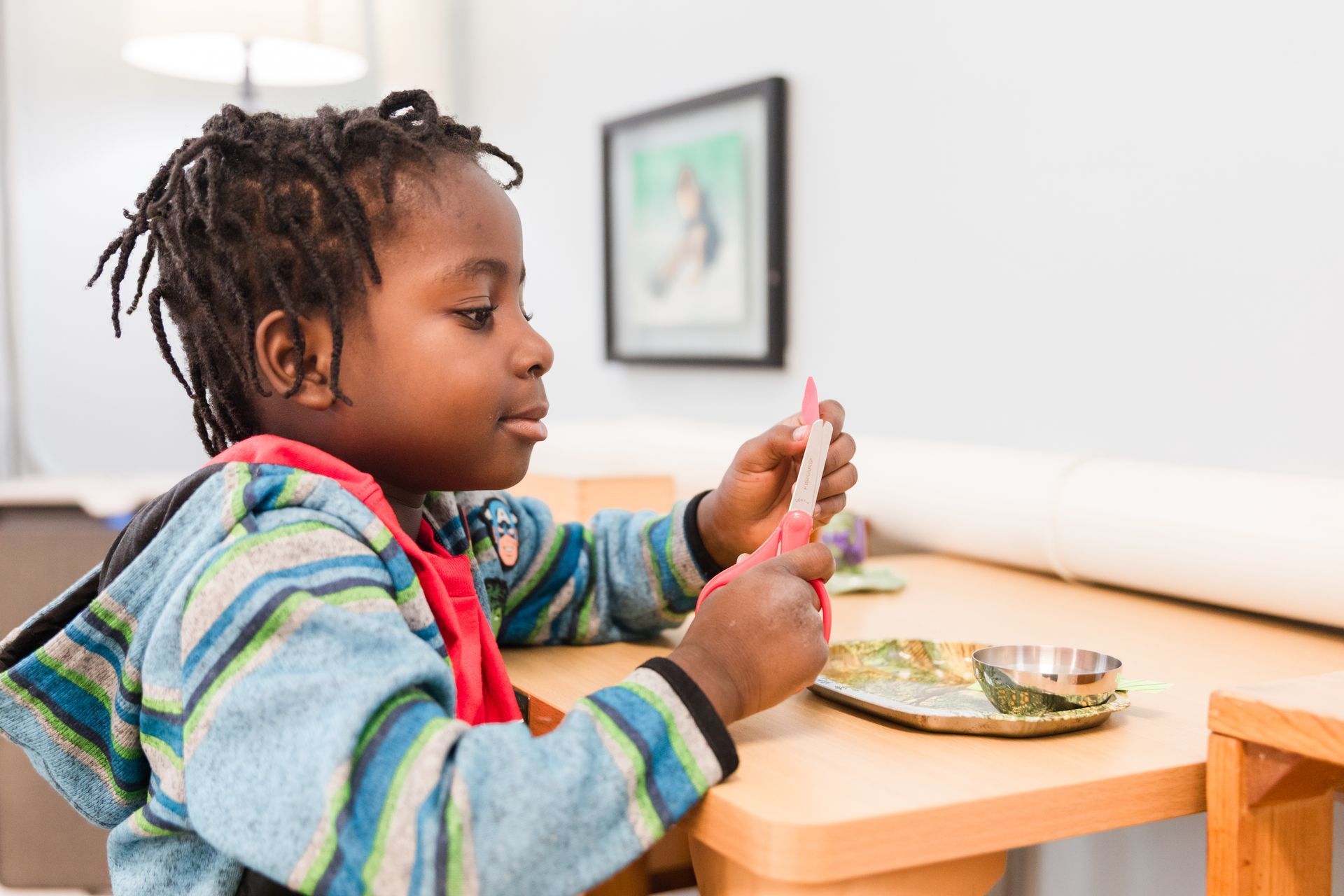
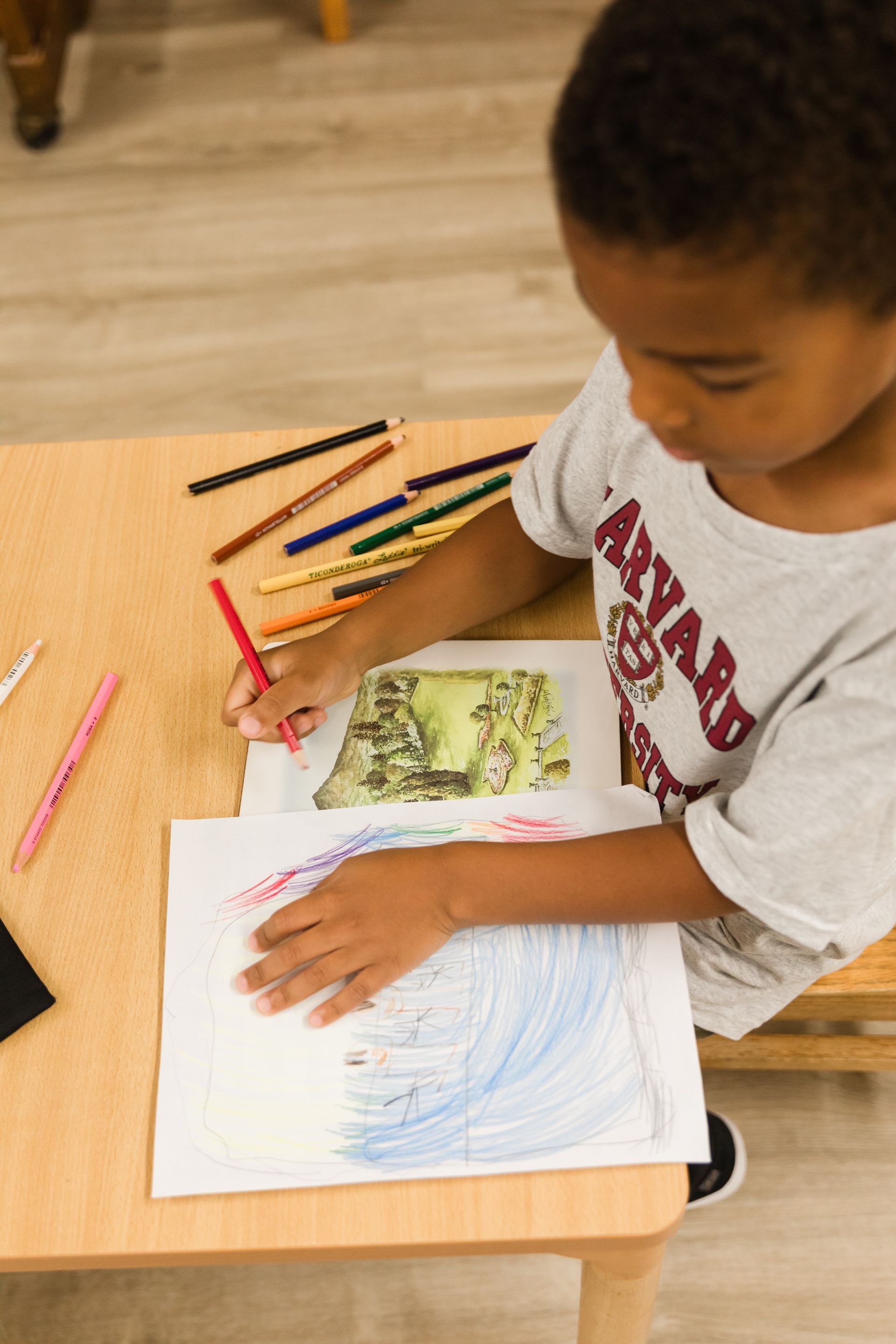
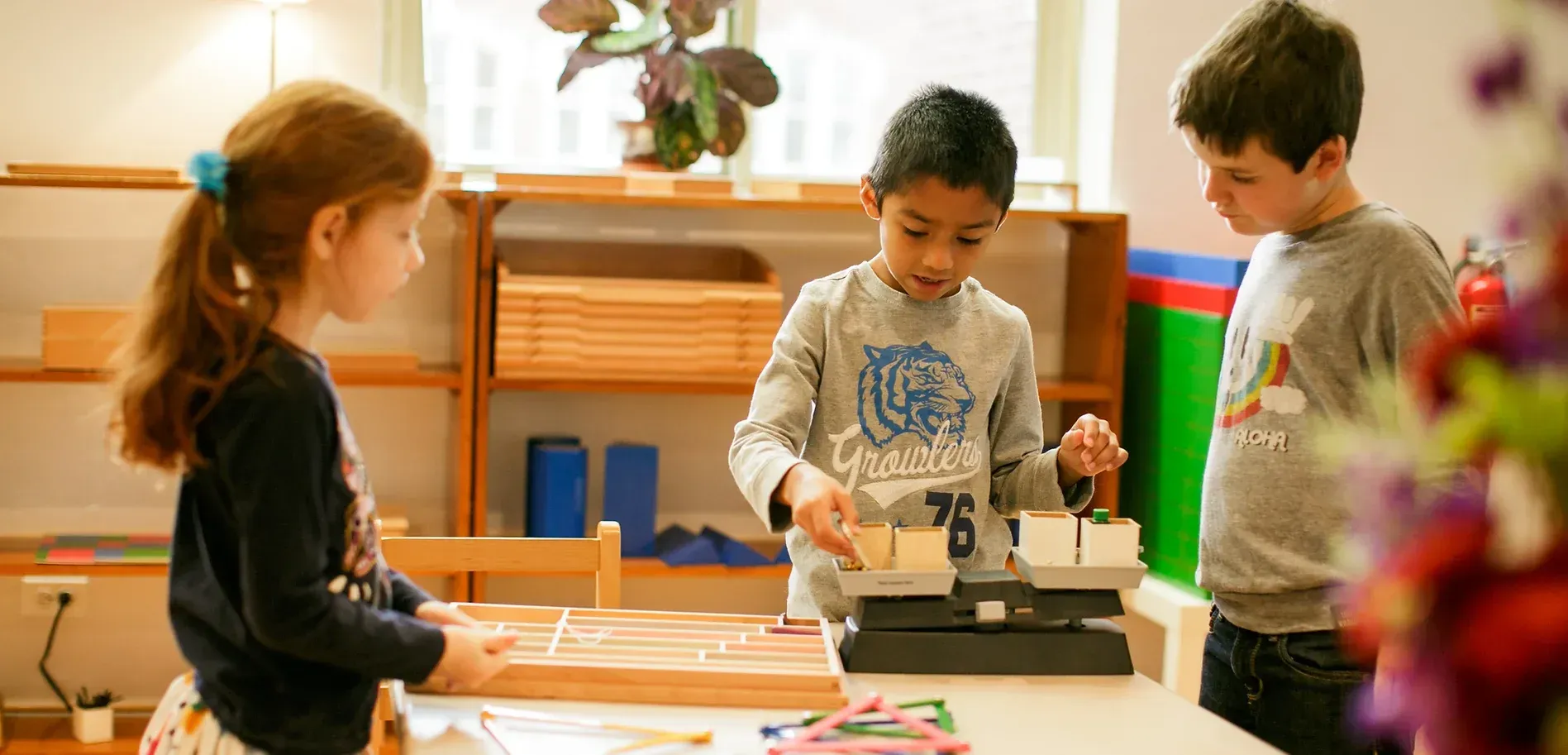
In a Montessori classroom, children are active participants in their learning rather than passive recipients of instruction. Instead of everyone learning the same lesson at the same time, children work at their own pace, choosing from purposeful activities that have been individually introduced by their teacher. Hands-on materials, mixed-age classrooms, and uninterrupted work periods foster independence, concentration, curiosity, and a genuine love of learning.
Rather than focusing on memorization or competition, Montessori encourages children to ask questions, solve problems, collaborate with others, and take ownership of their education. Teachers serve as guides, carefully observing each child and providing the right lesson at the right time.
-
Are all Montessori schools the same?
No. Because the name "Montessori" is not trademarked, anyone, regardless of training, experience, or affiliation, can open a school and call it Montessori. For this reason, it is important for families to look beyond the name and consider a school's credentials. AMI-accredited schools meet rigorous international standards for authentic Montessori education, including teacher training, classroom environments, and educational practices. West Suburban Montessori School is proud to be an AMI-accredited school, providing an authentic Montessori education rooted in Dr. Maria Montessori's principles.
-
Who accredits Montessori schools?
There is no single organization that accredits all Montessori schools. The two best-known organizations are the Association Montessori Internationale (AMI), founded by Dr. Maria Montessori in 1929, and the American Montessori Society (AMS) which was established in 1960. West Suburban Montessori School is proud to be accredited by AMI, whose rigorous standards help ensure an authentic Montessori education.
-
Why does Montessori have multi-age classrooms?
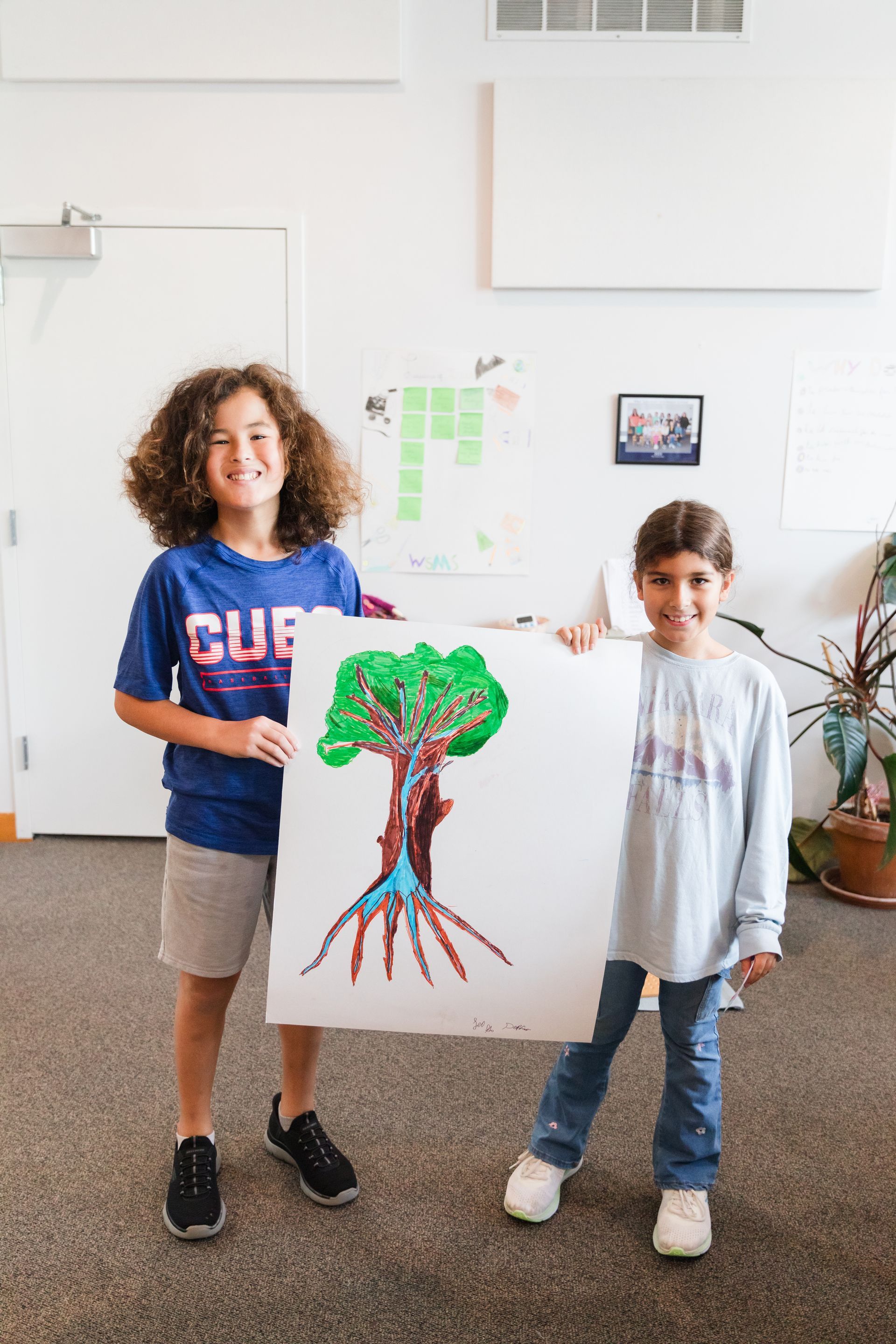
Montessori classrooms are intentionally multi-age because children learn best in a community where everyone can grow at their own pace. Younger children learn by observing and interacting with older classmates, while older children deepen their understanding and build confidence by mentoring younger ones. This mixed-age community allows each child to progress individually without being limited by a single grade level, while developing leadership, collaboration, and respect for others.
-
Is Montessori a good fit for children with different learning needs?
Montessori is designed to help all children reach their fullest potential at their own unique pace. A classroom whose children have varying abilities is a community in which everyone learns from one another and everyone contributes. Moreover, multi-age grouping allows each child to find his or her own pace without feeling “ahead” or “behind” in relation to peers.
-
Isn’t Montessori just a preschool?
Montessori schools may be best known for their programs with young children, but the underlying educational method describes programs for students up through high school.
-
Are Montessori schools religious?
No. Montessori educates children without reference to a religious denomination. As a result, our classrooms are extremely diverse, with representation from all peoples, cultures, and religions.
-
How does Montessori balance freedom of choice with a well-rounded education?
Montessori children are free to choose within limits, and have only as much freedom as they can handle with appropriate responsibility. The classroom teacher and assistant ensure that children do not interfere with each other, and that each child is progressing at her appropriate pace in all subjects. The teacher conducts observations and frequent check-ins to ensure that each child is learning across all areas of the Montessori classroom. This ongoing assessment helps to tailor instruction to meet the individual needs of each student.
-
Why don’t Montessori classrooms look like traditional classrooms?
The different arrangement of a Montessori classroom mirrors the Montessori method's differences from traditional education. Rather than putting the teacher at the focal point of the class, with children dependent on her for information and activity, the classroom shows a literally child-centered approach. Children work at tables or on floor mats where they can spread out their materials, and the teacher circulates about the room, giving lessons or resolving issues as they arise.
-
Are Montessori schools as academically rigorous as traditional schools?
Yes. Montessori classrooms encourage deep learning of the concepts behind academic skills rather than rote practice of abstract techniques. The success of our students appears in the experiences of our alumni, who compete successfully with traditionally educated students in a variety of high schools and universities.
-
How does Montessori prepare students for competition in the real world?
Montessori classrooms emphasize competition with oneself: self-monitoring, self-correction, and a variety of other executive skills aimed at continuous improvement. Students typically become comfortable with their strengths and learn how to address their weaknesses. In older classes, students commonly participate in competitive activities with clear “winners” (auditions for limited opera roles, the annual spelling bee, etc.) in which students give their best performances while simultaneously encouraging peers to do the same. It is a healthy competition in which all contenders are content that they did their best in an environment with clear and consistent rules.